By the time a student tells you they are stopping, they decided weeks ago. The message you get is the last step of something that started much earlier, and almost always left a trail you could have read. The first part of that trail is the only one you can actually count: how often they turn up. In a study of 5,209 gym members, the days a member went without training predicted who would quit better than how long they had been a member or how much they had paid (Sobreiro et al., 2021). The empty spot on the mat comes first, and the cancellation comes last.
This article is the trail, in order. Five signs, what each one really means, and what to do in the week you notice it. The first one you can read off your records in ten minutes. The other four you have to see with your own eyes, which is why they get missed in a busy teaching week.
Key Takeaways
- Watch attendance first: it moves weeks before anything else. In a study of 5,209 gym members, days without training predicted quitting better than membership length or amount paid (Sobreiro et al., 2021).
- Measure each student against their own timetable, not the dojo's. Recommended cut-offs: over 75% of their own classes is a good student, 50 to 75% is normal, and under 50% usually means they will stop coming soon.
- The other four signs are social, and they arrive in order. They go quiet, the next belt stops mattering, the fun drains out, and only then do they ask about pausing. By that last one the decision is nearly made.
- Price is the excuse, rarely the reason. What sits underneath it is enjoyment, friends and feeling they are getting somewhere, close to what young people say in Aspen's survey of 3,827 of them (Aspen Institute Project Play, 2026).
- Send a personal message, not a discount. One short message from you, naming a specific class and a specific technique, beats an automatic reminder and beats money off.
If you want the whole picture rather than the warning signs alone, the complete guide to student retention covers why students leave, when they are most at risk, and what keeps them for a decade.
Table of Contents
Why a Student Is Gone Weeks Before They Tell You
Almost nobody quits a martial art in one decision. They drift. The habit loosens first, then the social ties, then the sense of getting better, and the formal cancellation is a piece of admin at the end of a process that has already finished. That is good news, because a slow process leaves visible marks, and a sudden decision would leave none.
The five signs below are those marks, in the order I have watched them appear over fifteen years of teaching and training. The order matters more than the list, because it tells you how much time you have. Catch a student at sign one and a two-line message usually fixes it. Catch them at sign five and you are asking someone to reverse a decision they have already made, in front of you, which almost nobody does.
The whole sequence also runs faster the newer the student is. A beginner can go from sign one to gone inside a few weeks, before the habit has had time to set, which is why the 90-day dropout window is worth reading alongside this if most of your losses are people who joined this term. With a student of several years you usually have months.
1. Their Attendance Gets Patchy
The first sign, and the only one you can count, is a change in how often a student turns up. In that study of 5,209 gym members, the largest membership dataset anyone has published on this question, the gap since someone's last visit mattered well ahead of how long they had been a member or how much they had been billed (Sobreiro et al., 2021). A student who trained three times a week and now trains once has told you something without saying a word.
The number that matters is not how many classes they came to. It is what share of their own classes they came to. A student who signed up for the Tuesday and Thursday evening group has eight or nine classes in a month, and coming to four of those is a very different situation from a student on the Saturday group coming to four. Measured that way, these are the cut-offs I recommend: over 75% is a good student, 50 to 75% is normal and nothing to worry about, and under 50% usually means they will stop coming soon.
The reason this sign gets missed is not that it is subtle. You remember the faces from last night and you remember the regulars. What you do not naturally notice is that the Tuesday-and-Thursday student quietly became a Tuesday student in September, then an every-other-week student in October. Nobody was absent in a way that stood out. The decline exists only in the records.
What to do this week. Find the students who came to under half of their own classes last month, then message them yourself, by name, within a few days. Not an automatic reminder: a real message from the person who teaches them, naming one specific class and one specific thing happening in it. The exact wording matters enough that I have put the right and wrong versions side by side further down.
If your records live in a paper register, none of this is possible, and that is the real problem to solve first. Manual and automated attendance tracking covers the difference in practice.
2. They Go Quiet and Pull Back From the Group
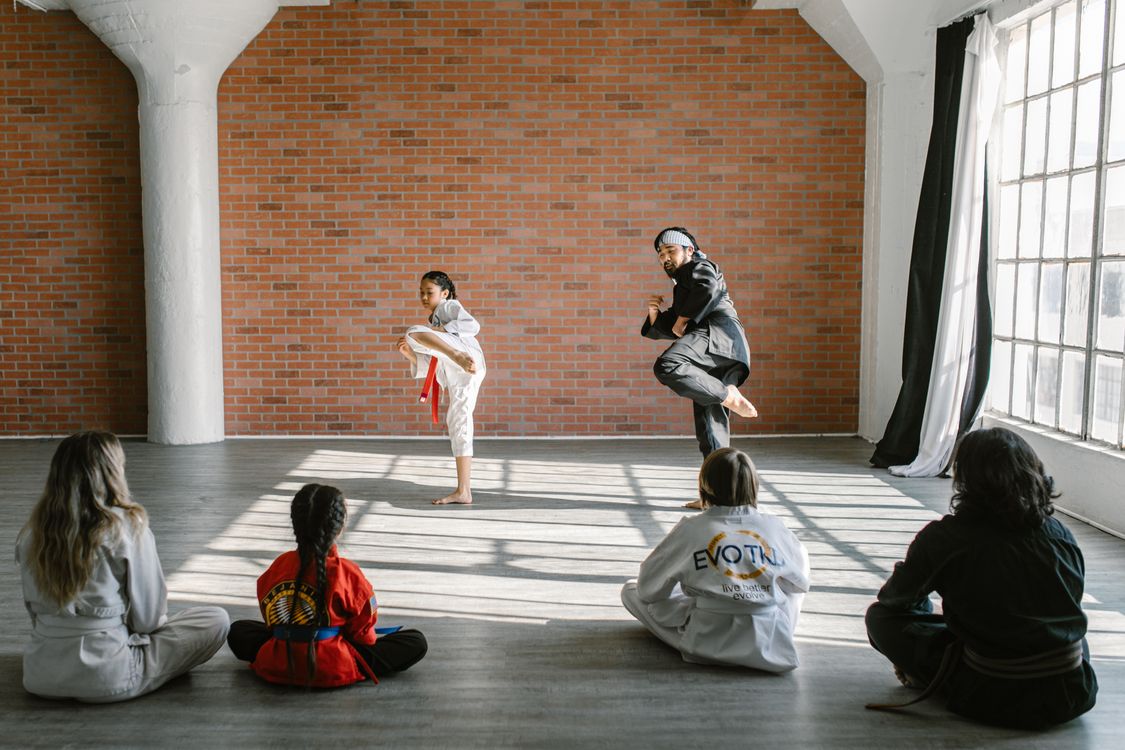
The second sign is social. A student who used to stay behind and talk now changes by the door and is gone before you have finished tidying the mat. They stop answering in the group chat. They skip the social evening and the seminar. They drill in the corner with whoever is nearest instead of seeking out their usual partners.
This matters because belonging, not interest, is what keeps people training. People arrive fascinated by the art, by Japan, by a film they saw, or simply by wanting to get fitter, and that interest is real but it burns out on its own. What turns a curious beginner into a ten-year student is being part of a group they do not want to leave. A review of the research on why teenagers stop playing sport put it plainly: support from family and friends makes a teenager less likely to stop, alongside enjoying it and feeling they are good at it (Zhang et al., Frontiers in Public Health, 2024). Among children, being with friends is one of the top two reasons they take part at all (Aspen Institute Project Play, 2026). When the friendships thin out, the reason to come on a wet Tuesday thins out with them.
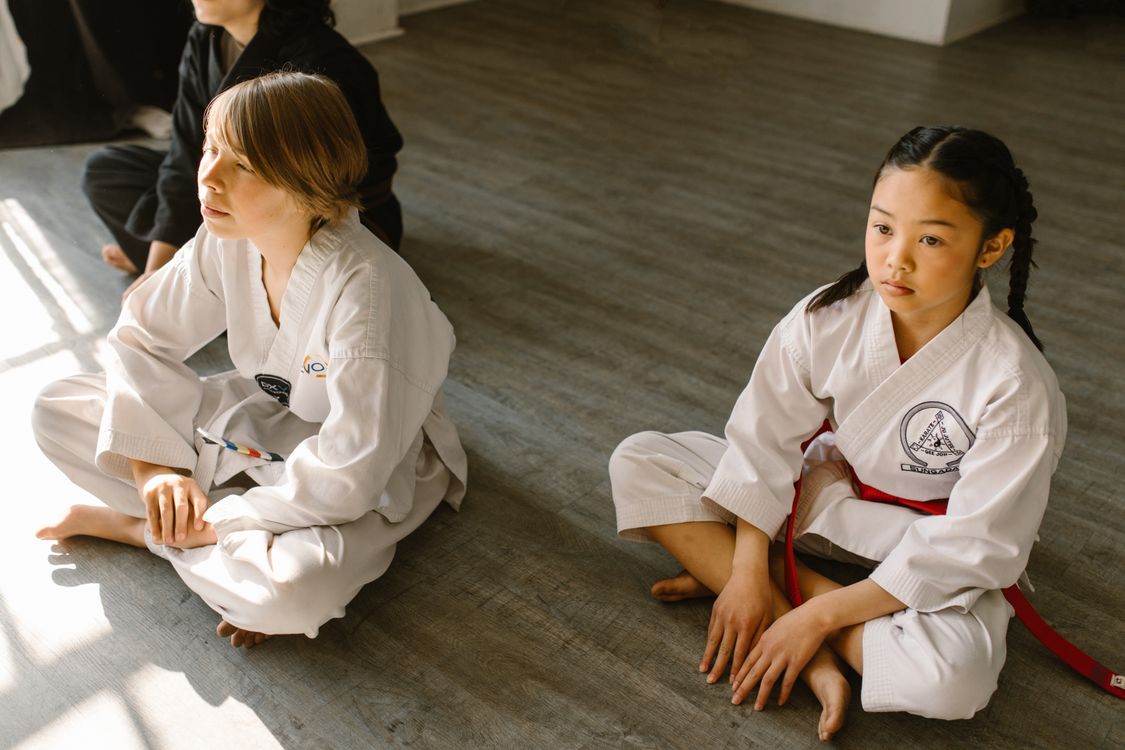
In fifteen years I have almost never lost a committed student suddenly. They went quiet first. The ones who stayed a decade were not the most talented; they were the most woven in. Of the group of about ten white belts I started with, roughly half stayed in Aikido and four of us went on to open our own schools.
What to do this week. Treat going quiet as urgently as a missed class, and do not do it alone. Ask a senior student to pull them back in, because an invitation from a peer lands differently from one from the teacher. Pair them with a regular training partner for the next few weeks. Invite them by name to the next seminar or social rather than announcing it to the room. Belonging is rebuilt by people, and never by a discount.
3. The Next Belt Stops Mattering
The third sign is the loss of forward motion. A student who used to ask what they needed for their next grading stops asking. They go through the drills without aiming at anything. Ask them where they are heading and they do not really have an answer.
People try harder when a reward is close, and something they can watch themselves getting nearer to keeps them around longer (Kivetz, Urminsky & Zheng, Journal of Marketing Research, 2006). That is exactly how belts work, which is why a student who stops reaching for the next one is a warning.
Watch especially the four weeks after a grading. The same paper found that effort drops back once a reward has been earned and only picks up again as the next one comes into view, which is exactly what a new belt does to a student: the thing they were reaching for is behind them and the next one is years off. A newly graded student with nothing concrete to aim at is quietly at risk, and so is the long-standing adult who has privately decided they have got what they came for. This is also why counting gradings is a bad way to judge a school: students often stop training soon after a new belt, black belt included, so a year of good passes can sit on top of a year of quiet losses.

What to do this week. Give the drive somewhere near to go. Name one concrete target the student controls and can reach in weeks rather than years: a specific technique, the next stripe, a date in the diary for their grading. Tell them what is still missing and what they need to attend to get there. For seniors who have run out of belts, the next goal is not another belt, it is responsibility: ask them to lead a warm-up, to look after a beginner, to teach the class when you are away. Belt progression as a retention tool goes through how to set those markers without devaluing the grade.
4. The Spark Goes Out
The fourth sign is the one most owners try to fix with money, and the one money cannot fix. The student still comes. They just do not seem to enjoy it. They ask no questions, hold back in the parts of class they used to love, and train at a polite minimum.
Take this one seriously, because enjoyment is the main thing holding a young student in the sport at all. In a survey of 3,827 young people across the United States, the top two reasons they play are that it is fun (48%) and that their friends are there (47%), and children who had stopped playing were most likely to say "I'm not good enough" (29%), ahead of bad coaching (21%). The average age they stopped was just under 13 (Aspen Institute Project Play, survey fielded late 2025, published April 2026). That is youth sport rather than martial arts, but the pattern is one every instructor recognises in adults too, phrased as being busy.
Why does the enjoyment drain away? Usually the training has stopped fitting the student. It has become repetitive, or too hard, or too easy, and it no longer delivers the small satisfaction of a challenge met. A cheaper membership to a class you dread is still a class you dread.

What to do this week. Put the challenge back at the right height. Add positional games and light sparring pitched just above what the student can currently do, so they feel stretched and capable in the same hour. Change the drilling. Give them one win they were not expecting. Let them pick a focus for the month, which hands back a bit of control. The aim is for the next class to be something they look forward to.
5. They Start Hinting Out Loud
The fifth sign is the last one, and by the time it arrives the decision is mostly made. It usually comes out sideways: things have been busy lately, they might need a break, how does pausing work, what is the notice period. Sometimes it arrives dressed as a life change, a new job, a move, an old injury talked up a little bigger than it is.
These hints are real, but they sit downstream of the first four, which is why a save at this stage is the hardest and the most expensive one you will attempt. Across the sector, roughly one in three members leaves in a year: fitness clubs kept about two in three of their members over the 2024 operating year (Health & Fitness Association, 2025 benchmarking report). Nobody has measured ordinary martial arts schools; the nearest thing is a ten-year follow-up of 46 young Slovenian judo competitors, 52% of whom had stopped competing (Simenko, Children, 2022), and those were competitors rather than ordinary students. Most of those people signalled for weeks first.
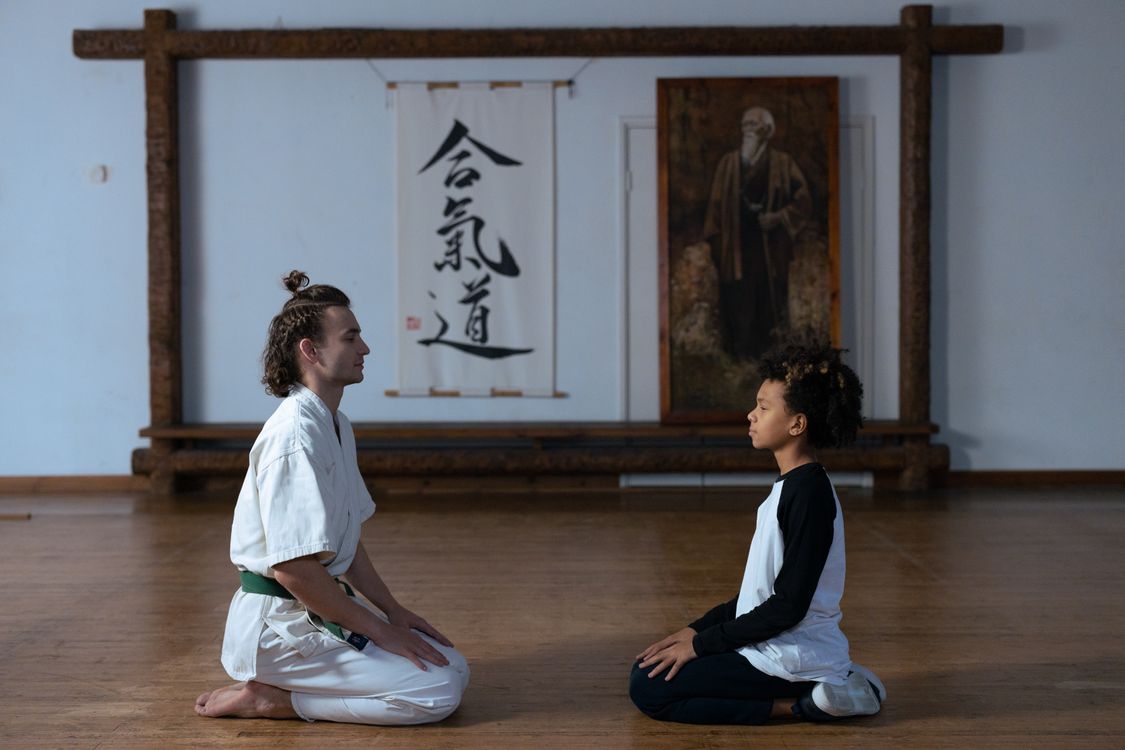
Notice what is usually missing from these conversations: money as the honest reason. Price is the socially easy thing to say, because it sounds like a fact rather than a judgement. When a student says it is a bit expensive, most of the time they are saying they are no longer sure it is worth it, and the answer is to deal with the worth, not the number. A student who is enjoying training, belongs to the group and can see themselves getting better will find the fee. One who has none of those three will leave at any price.
What to do this week. Have the conversation in person, without defending yourself, and ask one open question about what changed. If life genuinely got in the way, offer a planned pause instead of a cancellation: a held place with a date to come back. A student who feels understood on the way out often comes back a year later. One who feels processed does not.
There is one more way students leave quietly, and it has nothing to do with motivation: a payment that failed and nobody noticed, so the membership lapsed by accident. Payments that fail quietly covers how to catch those before they turn into a real departure.
Bonus Sign for Children's Classes: The Parent Goes Quiet
If you teach children, the person who decides whether they stay is often not on the mat. Children rarely enrol themselves and rarely stop on their own; a parent does it for them. That makes a parent pulling back a sixth sign worth watching as closely as the five above.
The tells happen off the mat. A parent who used to watch from the side and ask what their daughter needed for her next belt now drops her at the door and drives off. They stop replying to your messages. They are not at the grading. That turning up is not a small thing: among young people who had stopped playing sport, 58% had parents who came to their games or training, against 86% of those still playing (Aspen Institute Project Play, 2026). Parental support in adolescence also has a measurable effect on whether a young person is still playing several years later, in a study of 6,504 young people, where the effect lasted longest for girls (Lee, Park & Yoo, Journal of Sport and Health Science, 2018). When the parent checks out, the child usually follows.
What to do this week. Talk to the parent as deliberately as you talk to the student. Tell them one specific thing their child did well, keep the next grading and what it needs in front of them, and invite them to watch a class and to every grading. Realistically that means a short personal note on each child about once a month, not every week: work out what a weekly note to twenty families would actually cost you and you will never do it. When a parent who used to be involved goes quiet, write to the parent, not only to the child. What dojo parents want to know has the rhythm that works in practice.
The Ten-Minute Check That Finds Them
The first sign is the one that tells you where to look, so it is worth ten minutes on the first of the month alongside your other numbers. There is no arithmetic in it beyond counting.
Here is the whole check:
- For each student, count the classes on their own timetable last month, and how many of them they came to. Not the dojo's total classes: theirs.
- Put a tick next to every student who came to fewer than half of their own classes. In a group of twenty that is usually one to three names.
- Open last month's list and compare. A name on both lists is the one to contact today; a name on this month's list only is the one to watch. The first month you do this you will not have a list to compare against, so treat every tick as one to contact.
- Beside each ticked name, add what you have seen with your own eyes: gone quiet, stopped asking about grading, no spark. The count tells you who. The three social signs tell you which conversation to have.
- Send the messages the same day. The check is worthless if it turns into a list you look at again next month.
This only works if attendance is recorded somewhere you can sort, which in practice means a spreadsheet such as Google Sheets or dojo management software. A paper register will not do it, because the numbers you need are per student and per month. Run the check alongside the dojo KPIs worth tracking monthly, in the same half hour.
How DojoMaster Does the Check for You
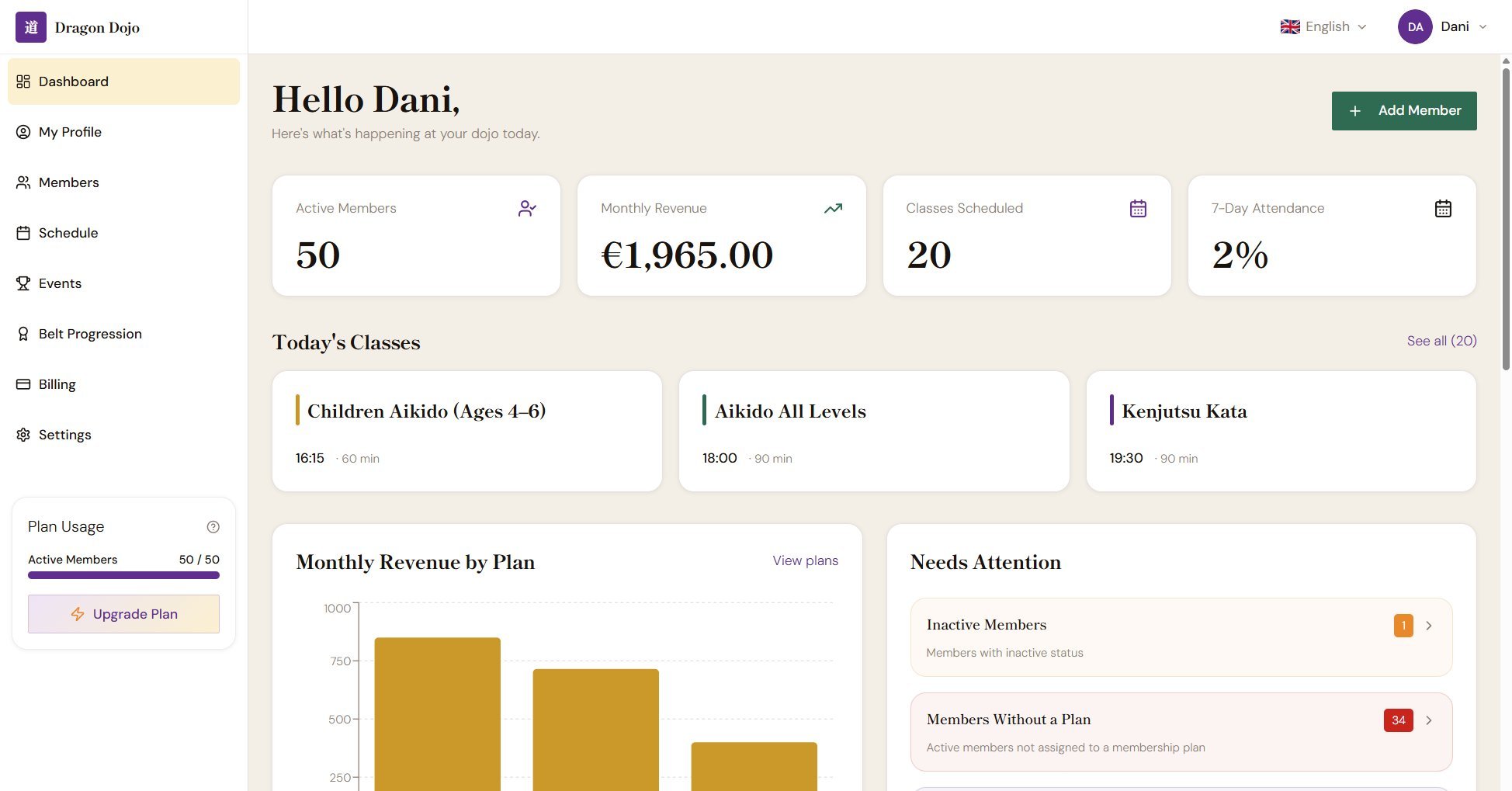
DojoMaster is the dojo management software I built after running my own school on a spreadsheet. Its Attendance page does the ten-minute check for you every night. It compares each established student with their own usual weekly rhythm, and each new student with the classes their group offers. Everyone who has slipped goes on one list, with the reason in a single line and a button to email them. Look at that list once a week and you have the names for the messages in the next section.

Each student's profile also shows a year of their attendance, week by week. A slide like the Tuesday-and-Thursday student's, from twice a week to once and then less, shows up as weeks fading out on the grid, so before you write to someone you can see how long they have been drifting.

Recording attendance takes a few taps: the instructor ticks students off on a phone, or students check themselves in on a tablet by the door. DojoMaster is free for up to 20 students, with paid plans from EUR 24/month.
How to Keep Them: What to Say, and What Not to Say
Spotting the sign is the easy half. What loses students is a well-meant message that reads like a letter from an office. Below are four real situations with the version that works and the version that does not.
A regular has missed two sessions in a row.
Say this: "Hi Marco, we missed you Tuesday and Thursday. We are drilling the shoulder throw again on Thursday at 19:00, the one you were just getting the timing on. Will you be there?"
Not this: "Hi Marco, are you coming on Tuesday?"
The second is the message most of us actually send, and it is meant kindly. But with no context it reads like a check on whether he is coming, and the easiest reply is "not this week". The first names a class, a date and a thing worth coming for, and assumes he is coming back.
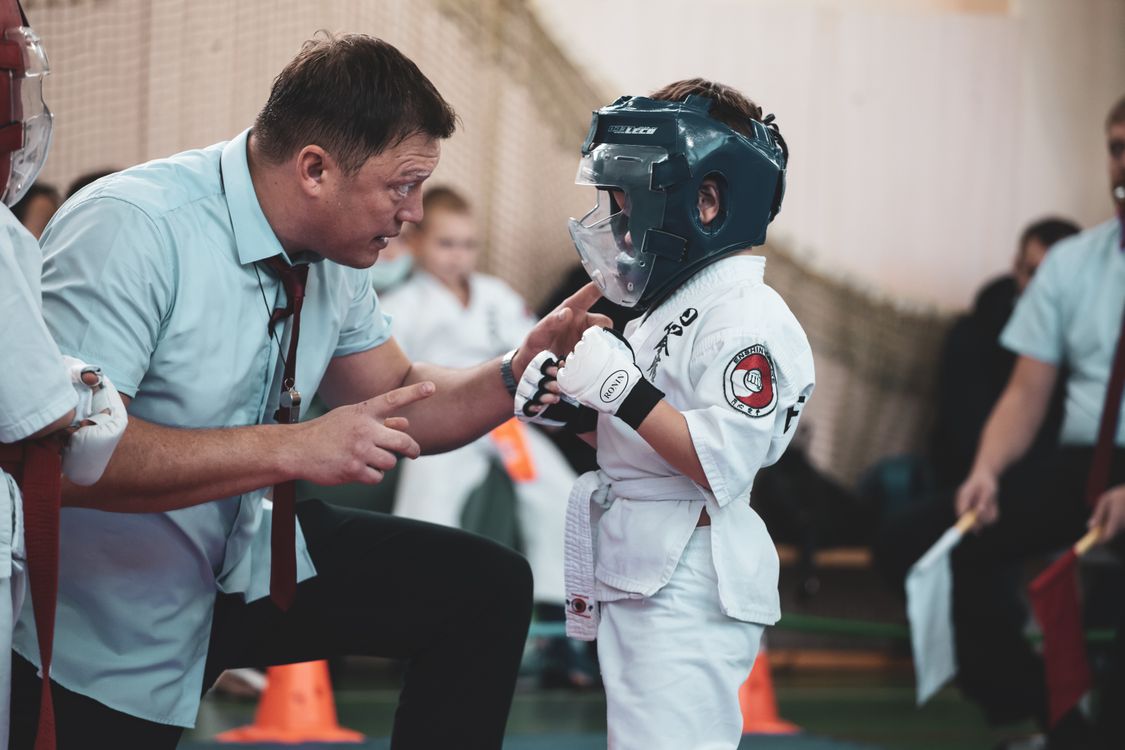
A student has gone from twice a week to once.
Say this: "Hi Sofia, you have been training once a week rather than twice since September. I wanted to check the Monday class still fits your week. If Wednesday evening is easier, you are very welcome in that group."
Not this: "Hi Sofia, you have only been coming once a week lately. The rest of the group is already preparing for the next grading, so it would be a shame to fall behind."
The second is meant as encouragement, but it compares her with the others and adds a little guilt. It tells her she is behind, not that she is welcome, and it gives her no easier way back. The first notices the change without judging it and offers a class that fits her week.
A child missed a class, and you are writing to the parent.
Say this: "Hi, Lena was not in on Saturday. She is about two sessions off being ready for the yellow-belt grading in May and I would like her there for the next two. The next class is Saturday at 10:00."
Not this: "Lena has seemed unmotivated lately. It might be worth asking her at home whether she still enjoys it."
Tell the parent what happened and what you will do next. How to handle their own child at home is not yours to advise.
A student has started hinting at stopping.
Say this: "Thank you for telling me. Before we do anything about the membership, can I ask what changed? If it is the time of day, there is the Wednesday group. If you need a break, I can hold your place for three months."
Not this: "Sorry to hear that. I can give you 20% off for the next three months."
The first answers the cause. The second answers a price objection the student did not actually make, and it teaches everyone that leaving is how you get a discount.
Mistakes That Push a Wavering Student Out
- Do not lead with money. A discount answers the one reason that is rarely the real one, and it sets the price of staying lower for everyone who hears about it.
- Do not count an automatic reminder as contact. The thing that works is one person who teaches them using their name and naming a specific class. A scheduled app message is not that, however well written.
- Do not wait a few weeks to see if they come back. The gap is cheap to close while it is still a gap. Once a student has gone a month without training, you are asking them to start again rather than carry on.
- Do not raise it in front of the group or in the group chat. Being discussed is not the same as being missed.
- Do not offer cancellation as the first option. Offer a held place with a return date. The membership can be sorted out afterwards; the relationship cannot.
- Do not read a grading pass as proof a student is staying. A good year of gradings and a bad year of attendance can sit side by side. Look at who is still training four weeks after their promotion.
- Do not interrogate. One open question, then listen. Most people will tell you the real reason once, if you do not argue with it.
The Five Signs at a Glance
Most of these signals are small, and small things get lost in a teaching week. Here is the whole set in the order it usually arrives.
| # | The sign | What it usually means | What to do | Where you see it |
|---|---|---|---|---|
| 1 | Attendance gets patchy | The habit is breaking before the mind has decided | Message them yourself within days, naming one class | Your records, countable |
| 2 | They go quiet and pull back | Belonging is draining away | Senior student pulls them in; give them a training partner | Before and after class |
| 3 | The next belt stops mattering | No sense of getting better, or a post-grading dip | Set one near target they control and can reach in weeks | What they ask you |
| 4 | The spark goes out | Training has stopped fitting them | Change the challenge, not the price | How they train |
| 5 | They start hinting out loud | The decision is nearly made | One open question, then a held place instead of a cancellation | What they say |
| Bonus | A child's parent goes quiet | The person who decides has checked out | Write to the parent with one specific thing their child did well | The lobby and your messages |
The pattern is the same in every row: read the behaviour early and respond personally, not automatically. Almost everything that works is cheap, human and a little earlier than feels necessary.
From my own dojo: The student I still think about trained with us twice a week for two years, then once a week for about two months, and then stopped. I remember noticing he had gone quiet, and I remember deciding to ask him about it after class, and then class ended, somebody had a question about their grading, and I did not. He wrote six weeks later to say thank you and goodbye. Nothing in that story needed software. It needed one message on the evening I first thought about it. What the spreadsheet I ran the school on told me afterwards, once I finally started counting attendance properly, was the date I could have sent that message: about seven weeks before his email arrived.
Frequently Asked Questions
What are the signs a student is about to quit martial arts?
Five signs, usually in this order. Their attendance gets patchy, which is the only one you can count. They go quiet and pull back from the group. The next belt stops mattering and they stop asking about grading. The enjoyment drains out and they train at a polite minimum. Finally they hint at a break or ask how pausing works, by which point the decision is nearly made. For children, a sixth sign sits alongside these: the parent stops watching, stops replying and stops coming to gradings.
What is the earliest sign a student will leave your dojo?
A widening gap between visits. In a study of 5,209 gym members, the days a member went without training predicted who would quit better than how long they had been a member or how much they had paid (Sobreiro et al., 2021). Measure it against each student's own timetable rather than the dojo's. Recommended cut-offs: over 75% of their own classes is a good student, 50 to 75% is normal, and under 50% usually means they will stop coming soon.
Do students quit martial arts because of the price?
Rarely, although it is the most common thing they say. Price is the socially easy reason to give because it sounds like a fact rather than a judgement. In youth sport, where the reasons have actually been measured, children play because it is fun and because their friends are there, and those who had stopped were most likely to say they were not good enough (Aspen Institute Project Play, 2026). A student who is enjoying training, feels part of the group and can see themselves improving will usually find the fee; one who has lost all three will leave whatever you charge. So when you hear that it is a bit expensive, treat it as a question about whether the training is still worth it.
How do you win back a student who has stopped coming?
Act while the gap is still weeks rather than months, and send one short message yourself rather than an automatic reminder. Name a specific class, a specific date and one thing happening in it that they were working on, and assume they are coming back. If they tell you life got in the way, offer a planned pause with a return date instead of a cancellation, so there is a place to come back to. Do not open with a discount: it answers a reason that is rarely the real one.
How do you know if a child wants to quit martial arts?
Watch the child and the parent separately. In the child, look for the same signs as in an adult: missed classes, no questions about the next belt, and training without enjoyment. In the parent, look for the drop-off at the door instead of watching from the side, messages that go unanswered, and absence from gradings. Among young people who had stopped playing sport, 58% had parents who came to their games or training, against 86% of those still playing (Aspen Institute Project Play, 2026), so a parent going quiet is a warning about the child.
Written by Daniil Pavliuchkov, 4th dan Aikido Aikikai and founder of DojoMaster.
Sources: Sobreiro et al., International Journal of Environmental Research and Public Health (2021), Kivetz, Urminsky & Zheng, Journal of Marketing Research (2006), Aspen Institute Project Play, National Survey of Youth and Sports (2026), Zhang et al., Frontiers in Public Health (2024), Simenko, Children (2022), Lee, Park & Yoo, Journal of Sport and Health Science (2018), Health & Fitness Association 2025 Fitness Industry Benchmarking Report.