
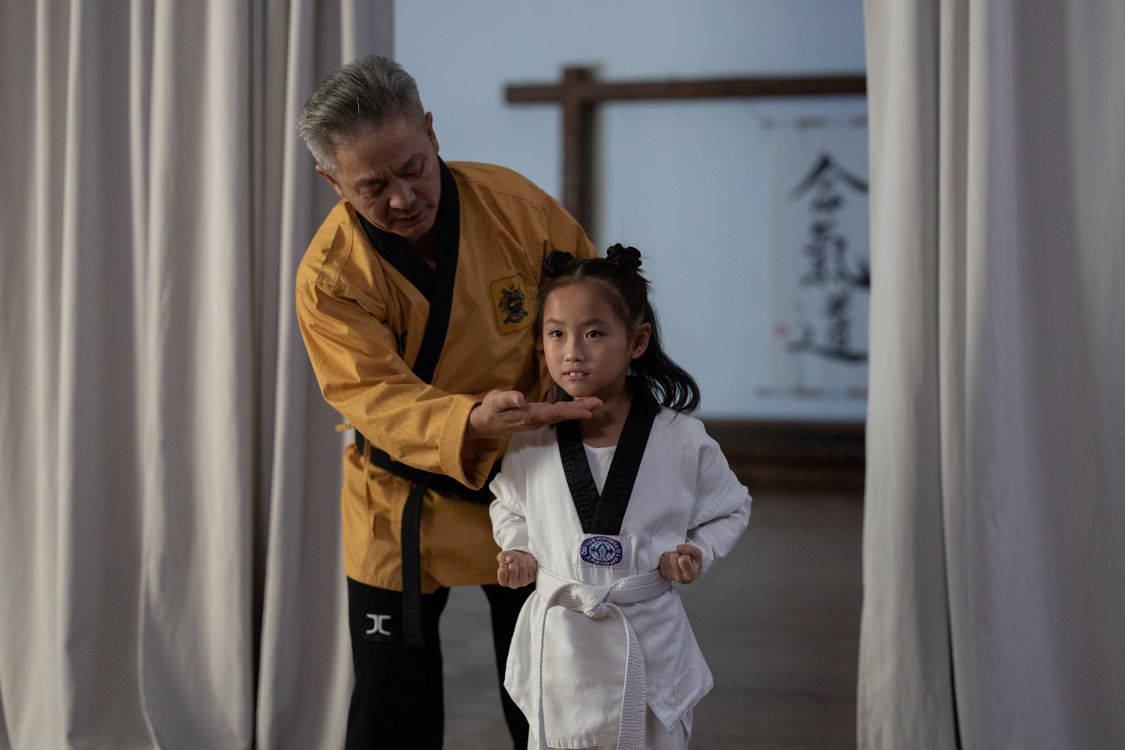
Most new martial arts students who quit don't do it because the art was wrong for them. They quit in the first 90 days, before training ever became a habit, which takes a median of 66 days and up to 254 (Lally et al., European Journal of Social Psychology, 2010). For that whole stretch a beginner runs on intention, and intention is fragile. The good news is that keeping them is not a mystery and not a matter of charisma. It is a short list of concrete moves made at the right moments.
Martial arts has barely studied its own dropout. Gyms, boutique studios, yoga and dance schools, and language apps have studied theirs obsessively, and the behavioral science underneath all of it is the same. Below are 23 tactics drawn from that research and from running my own dojo as a 4th dan, organized into the three windows that decide whether a beginner stays: Week 1, the rest of the first month, and months 2-3. Each one is something you can try at your next class.
Key Takeaways
- Most beginners quit inside the first 90 days, before training becomes automatic at a median of 66 days (Lally et al., 2010). The fix is timing concrete actions, not generating more motivation.
- The habit only sets once a beginner trains often enough. Roughly 4 sessions a week for 6 weeks was the threshold in new gym members (Kaushal & Rhodes, 2015). Week 1's job is the first win; month 1's job is frequency.
- What keeps beginners is enjoyment, a felt sense of progress, and belonging, not price. Enjoyment was the single strongest predictor of sticking with exercise (Frontiers in Psychology, 2021).
- The cheapest retention lever on record: members spoken to by name on every visit had 12-month retention more than 5x higher than members never spoken to (TRP 10,000 / Hillsdon, 2014).
- There is no peer-reviewed dropout figure specific to martial arts. This guide reasons from sport science and adjacent industries, not from vendor numbers.
The Complete Guide To Student Retention
Why the First 90 Days Decide Everything
Two numbers frame the whole window. A training routine takes a median of 66 days to become automatic (Lally et al., 2010), and the frequency that gets a beginner there is roughly 4 sessions a week for 6 weeks, the minimum dose that turned exercise into a habit in a study of new gym members (Kaushal & Rhodes, 2015). Below that frequency, training stays effortful and breakable for months. The entire job of the first 90 days is to carry a student across that gap on purpose.
Inside the window, drop-off clusters at three predictable points: the first impression in week one, the first missed class around week three when a half-formed routine breaks, and the novelty dip at weeks six to eight when beginner progress slows. Defend each one and you keep the student.
What carries a student across is not aptitude. When researchers tracked 250 novice exercisers, the three things that best predicted who kept training were enjoyment, a feeling of being able to do it, and social support, in that order. Every tactic below is aimed at one of those three levers.
The first 90 days decide retention because a beginner has not yet formed a habit, which takes a median of 66 days (Lally et al., 2010) and a frequency near 4 sessions a week for 6 weeks (Kaushal & Rhodes, 2015). What carries a beginner across is enjoyment, a sense of progress, and belonging, the three strongest predictors of exercise adherence (Frontiers in Psychology, 2021), not price or talent.
Week 1: The First Impression
The first class sets the emotional baseline for everything after it. Your goals this week are narrow: give one real win, lock in the next visits, and make sure the beginner is known by name.

1. Send them home able to do one named technique. Don't open with conditioning or theory. Inside the first session, teach one thing a beginner can actually perform, a single break-fall or one throw on a compliant partner, and name it out loud: "that was your first ikkyo." A genuine mastery moment is the strongest source of self-efficacy (Bandura), and beginners make their fastest visible progress in the very first hours, which is exactly when it feels most rewarding (Babbel efficacy study, Vesselinov & Grego, 2016).
2. Run a one-on-one onboarding while a senior leads the class. In my own dojo I spend the first 15 to 20 minutes after the warm-up with a new student, explaining what the art is and walking them through the basics at their pace, while a senior student runs the room with a specific focus I hand them. The beginner gets a competence win and feels personally seen on day one, the most fragile day of all.
3. Book the next two or three classes onto fixed slots before they leave. Same weekday, same time, written into a real calendar, yours and theirs, not just a mental note. Training at a stable time and place is a significant predictor of whether a member is still attending nine months later (Psychology of Sport & Exercise, 2020). Floating "I'll come when I can" attendance is how beginners quietly fade.
4. Greet every beginner by name, every visit, and get your seniors doing it too. This is the cheapest, highest-return lever in all the data: members spoken to on every visit had 12-month retention over 5x higher than those never spoken to (TRP 10,000 / Hillsdon, 2014). Learn the name before class starts.
5. Assign a named buddy before they walk out, ideally a near-peer. "This is Maria, she started four months ago, she'll help you out if you have questions." Belonging is one of the three drivers of durable motivation (Teixeira et al., 2012), and a model only a few months ahead is far easier to learn from than a black belt, because "someone like me did it" is what builds belief (Bandura).
6. Give them a stripe card that is already 20% full. Hand every beginner a progress card toward their first grading with the first two of ten boxes pre-stamped for signing up and finishing class one. People given artificial early progress toward a goal accelerate toward it: a loyalty card with two free stamps beat an identical blank card (Kivetz et al., 2006).
7. Keep the first class fun and simple, not a test. Resist the urge to prove how deep the art is. Enjoyment was the single strongest predictor of who kept training (Frontiers in Psychology, 2021), and the gym-habit researchers explicitly advise keeping early sessions fun and simple and focusing on consistency over complexity (Kaushal & Rhodes, 2015).
In week one, give a beginner one technique they can actually perform, book their next sessions onto fixed weekday slots, greet them by name, and pair them with a near-peer buddy. An early mastery win (Bandura) plus a fixed next class already on the calendar is how you turn a curious first-timer into someone who comes back.
Weeks 2-4: Build the Habit to Threshold
This is the rest of the first month, and its single job is frequency. The habit will not set unless the beginner trains often enough, so everything here is aimed at getting them on the mat repeatedly before motivation runs out.

8. Set an explicit frequency target and track it. Tell the beginner the goal for their first six weeks is to make two or three sessions a week, as close to that as your schedule allows, and keep a visible count. Around four sessions a week for six weeks was the dose that turned exercise into an automatic habit in new gym members (Kaushal & Rhodes, 2015); the closer a beginner gets, the sooner training stops needing willpower.
9. Put beginners in a fixed-length foundations course, not the mixed mat. A "white belt foundations" series of six or eight classes with a clear start and finish builds competence step by step and removes the intimidation of drilling next to experts. It is the model boutique studios use to convert beginners, because finishing the arc graduates them naturally into ongoing membership.
10. The moment they miss a class, a real person messages the same day. Not an automated reminder a week later. A personal "we missed you on the mat, see you Thursday" that re-books a specific class is decisive: an interaction that produces a repeat visit within seven days cut the next month's cancellation risk by 86% (TRP 10,000 / Hillsdon, 2014).
11. Send one personal, content-specific text before each committed session. "See you at 6, we're drilling your hip throw tonight." This matters more than it looks: implementation-intention plans only moved exercise behavior when they were reinforced with a follow-up contact, not left on paper (Carraro & Gaudreau, 2018). Tie the message to their technique, never a generic guilt-nudge.
12. Prescribe a two-minute daily home drill, never one weekly binge. A footwork pattern, one kata segment, a break-fall on the bed. Distributed daily practice beats massed practice by a wide margin for retention (Kang, 2016), and learners who cram are more likely to quit than those who pace themselves (Duolingo reports, 2022). The aim is to touch the art every day.
13. Start a visible "don't break the chain" attendance streak, with a monthly freeze. A wall chart or app where each beginner marks every session, with the count celebrated aloud. Once a streak exists, the fear of losing it motivates roughly twice as hard as the original goal did, and visible progress tracking independently lifts goal attainment across 138 studies (Harkin et al., 2016). Offer one "freeze" a month so a single missed week doesn't reset it and trigger quitting, the same mechanic that keeps app learners going (Duolingo reports, 2022).
14. End every class with one specific thing that improved. "Your guard is tighter than Tuesday." Make it concrete and compared to their own past self, never to the room. A felt sense of competence is the most consistent driver of exercise adherence (Teixeira et al., 2012), and specific verbal feedback is a direct source of self-efficacy (Bandura).
15. Time their "official start" to a fresh-start date. For a mid-week sign-up, frame the real beginning around a landmark: "your white-belt journey officially starts Monday," or run a monthly "new beginnings" intake on the first Monday. Motivation and actual gym attendance measurably spike after the start of a new week, month, or semester (Dai, Milkman & Riis, 2014).
16. Give a real choice to build ownership. "Do you want to lean into striking, grappling, or forms this month?" Let beginners pick a focus or which technique to drill first, and explain the reason behind required drills instead of "because I said so." Autonomy support shifts motivation toward the self-driven kind that predicts long-term adherence (Teixeira et al., 2012).
The rest of the first month is about frequency, because the habit only sets near four sessions a week for six weeks (Kaushal & Rhodes, 2015). Track attendance, message personally the same day a beginner misses (TRP 10,000, 2014), prescribe a daily two-minute home drill (Kang, 2016), and start a streak they won't want to break (Harkin et al., 2016).
Catch Fading Students With Attendance Tracking
Months 2-3: Turn the Habit Into Passion
By now the routine is forming. The work shifts from logistics to meaning, because the students who stay for years are the ones who stop "trying martial arts" and start being martial artists. This is also where interest becomes passion, and where the culture of the art does the heavy lifting.
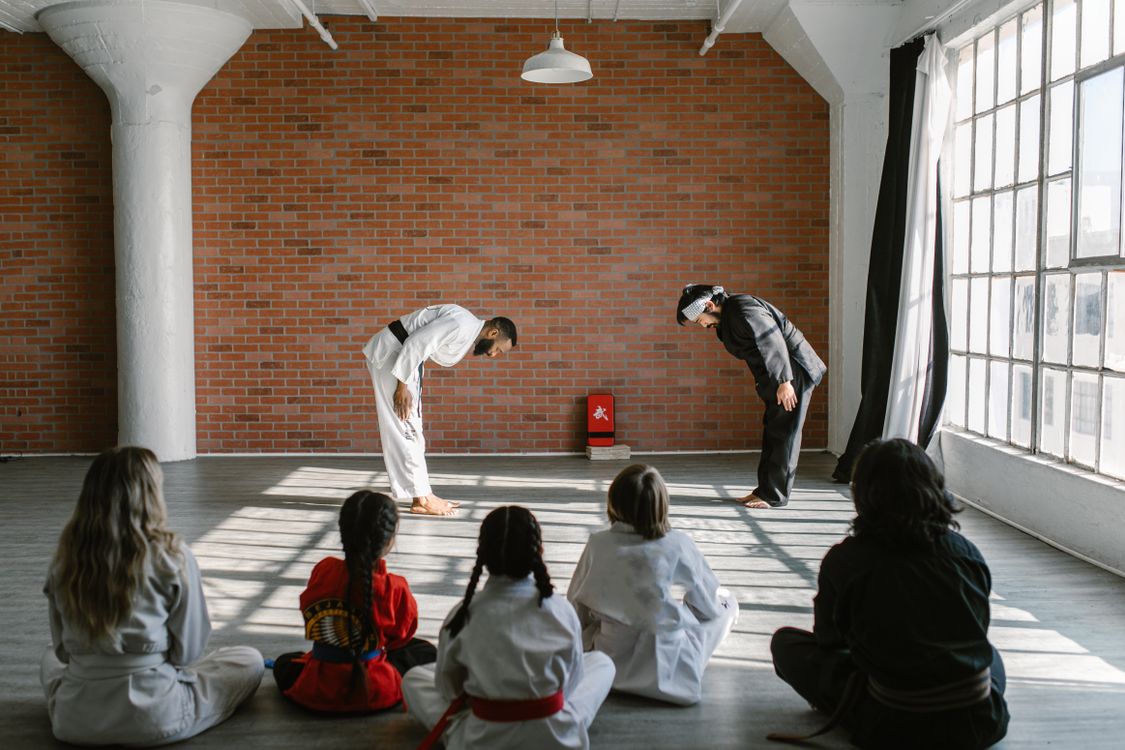
17. Change the language from "trying it" to "I'm a martial artist." From month two, hand over a club bag or shirt with their name, refer to them as one of your students, and encourage them to tell friends they train. Behavior that flows from identity outlasts behavior chased for a result: every session becomes a vote for the kind of person they are becoming (Clear, Atomic Habits).
18. Wrap the art in its living culture. This is the single biggest lever for turning a casual beginner into a passionate one. Run a film night with Seven Samurai or a Kurosawa classic the group votes on, teach the meaning of rei, dojo, and kiai, hold a cheap calligraphy evening brushing the kanji for Budo. Language institutes like the Goethe-Institut and Alliance Française deliberately surround lessons with film, food, and culture (Goethe-Institut) because connecting a skill to a culture you love sustains motivation far longer than rewards do (Dörnyei, L2 Motivational Self System).
19. Give them an aspirational horizon. Talk about the seminar with a visiting Japanese master, a future grading trip, the idea of training at the art's home dojo one day. A vivid picture of a future self carries a learner through plateaus better than streaks alone (Dörnyei). Encourage even a three-month beginner to come to a seminar and just watch, often for free: it opens up the whole world of the art.
20. Put the first grading on the calendar. If you have a competitive, driven newcomer, invite them to pick a target, their next belt grading or a local competition. Agree on a date, add it to their calendar, and build a plan to prepare them for it. Mutual, voluntary, written commitments are markedly harder to abandon than private intentions (Cialdini, commitment and consistency).
21. As grading nears, make the remaining steps a visible near-term checklist. "Three techniques left and two weeks of attendance, you're 85% there." Effort and attendance accelerate as a visible goal gets closer (Kivetz et al., 2006), so surface the nearness deliberately in the final weeks.
22. Move from rote drilling into play, light sparring, and right-sized challenges. By month two, introduce positional games and challenges pitched just above current skill. Enjoyment of the activity for its own sake is the strongest predictor of long-term adherence (Teixeira et al., 2012); the external motivators that worked early start to fade, and the fun has to take over.
23. Fold the buddy into a small training pod. Grow the single buddy into a standing group of three or four who drill together, share a group chat, and notice absences. In TRP's data, members who attended a group class three times a week or more held memberships about 6.8 months longer than those who never did (Hillsdon / TRP via Les Mills, 2014). A student rarely walks away from a small group that is counting on them.
In months two and three, retention becomes identity and belonging. Reframe the student as a martial artist (Clear), wrap the art in its culture through film, language and seminars (Dörnyei), agree a first-grading goal with them (Cialdini), and fold them into a training pod (Hillsdon, 2014). Interest gets a beginner in; culture and community keep them for years.
Belt Progression As A Retention Tool
What Doesn't Work (So You Can Stop Doing It)
Three common moves waste effort. Discounting rarely fixes dropout, because price is seldom the real reason a beginner quits; enjoyment and belonging are (Frontiers in Psychology, 2021). Generic mass reminders that don't drive a specific re-booking don't move behavior, only a contact that produces an actual next session does (Carraro & Gaudreau, 2018). And throwing a beginner straight onto the mixed mat to fend for themselves trades a small scheduling convenience for the exact intimidation and isolation that ends memberships early.
How DojoMaster Helps You Survive the First 90 Days
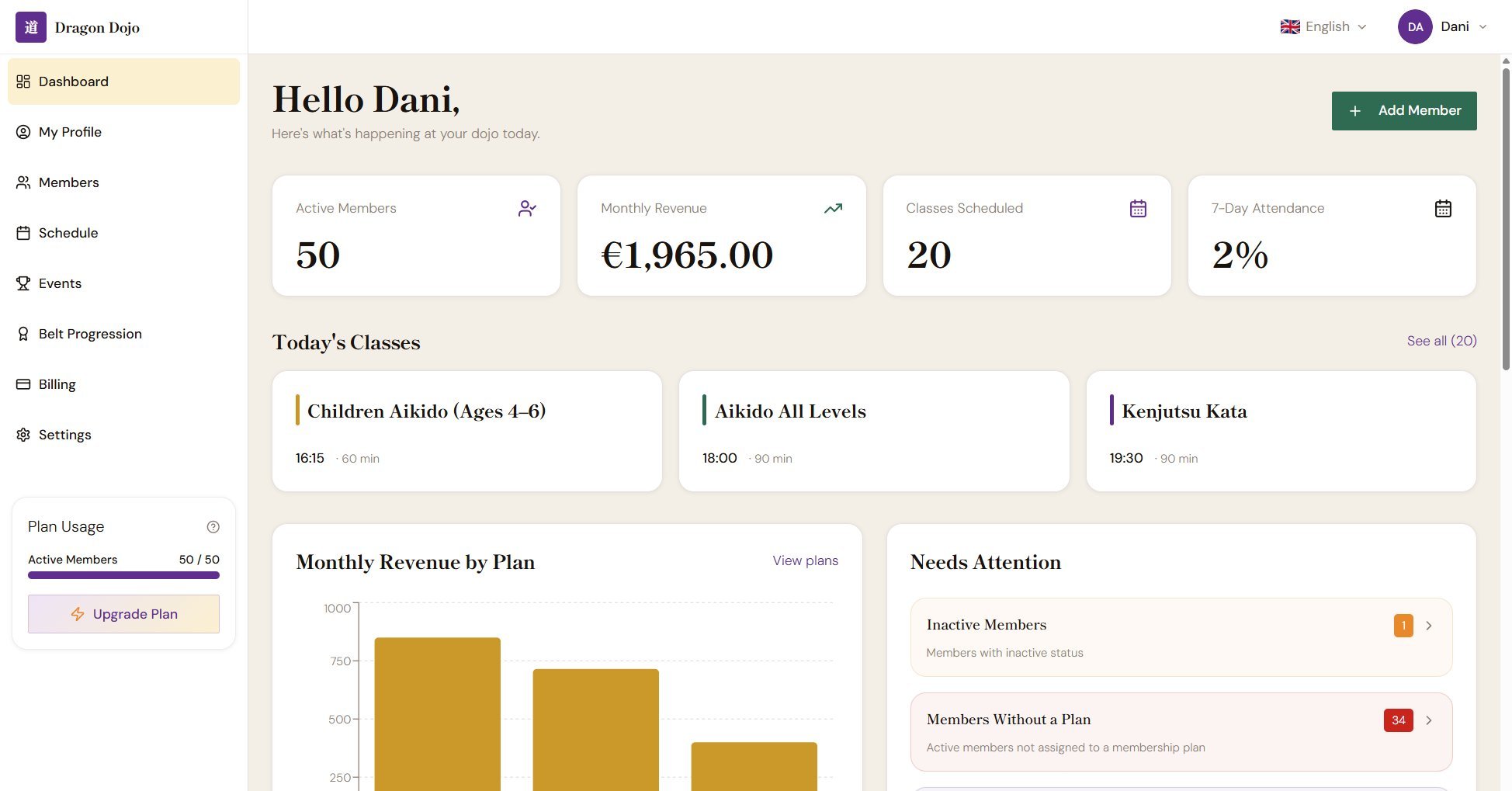
Most of these tactics are small, and small things are what get lost in a busy week. DojoMaster flags a new student's first missed class before it becomes a lapse, so the same-day nudge actually happens. It tracks attendance and streaks, keeps belt-progression readiness visible for the stripe card and the grading goal, and lets you message buddies, pods, and culture-night invites in a few taps. And it collects tuition by SEPA Direct Debit and card, which quietly kills the involuntary churn of a failed payment nobody noticed.
Start free for up to 20 members, no credit card required. Paid plans from EUR 24/month, still 3-10x less than competitors.
Automate Tuition With SEPA Direct Debit
Frequently Asked Questions
How many martial arts students quit in the first 90 days?
There is no peer-reviewed figure specific to martial arts, so treat any precise percentage online as a vendor estimate. What the science shows is that dropout is front-loaded: risk is highest before training becomes a habit, which takes a median of 66 days (Lally et al., 2010), and more than half of new gym members typically lapse within the first three months. The honest framing is that the first 90 days is where most of the loss happens.
What is the fastest way to keep a new student past their first month?
Drive frequency. The habit only becomes automatic near four sessions a week for six weeks (Kaushal & Rhodes, 2015), so book fixed weekly slots in week one, message personally the same day they miss a class, and start a visible attendance streak. Getting a beginner to train often, early, matters more than anything you teach them.
How do you make a beginner passionate about martial arts?
Connect the art to its culture, not just the techniques. Film nights, the meaning behind the etiquette and terminology, seminars with visiting teachers, and a vision of where the path leads all turn a workout into an identity. Wrapping a skill in a culture people love is what sustains motivation long-term (Dörnyei), which is exactly how language institutes keep learners for years.
When is a new student most likely to quit?
At three points inside the first 90 days: after a disappointing or intimidating first class, after the first missed class breaks a half-formed routine around week three, and during the novelty dip at weeks six to eight when beginner progress slows. Each lands before training becomes automatic (Lally et al., 2010).
Do discounts help retain new students?
Rarely. Price is seldom the real reason beginners leave; enjoyment, a sense of progress, and belonging are the strongest predictors of who stays (Frontiers in Psychology, 2021). A discount lowers your revenue without fixing the actual cause of the drop-off.
Conclusion
The 90-day dropout window is the most expensive blind spot in most dojos, and also the most fixable. The students you lose are rarely beaten by the art. They are lost to a flat first class, a missed week three, or a quiet dip in week seven, all of it before the habit had a chance to form. None of that needs a discount or a new funnel to fix. It needs an early win and a booked next class in week one, relentless frequency and personal nudges through the first month, and the culture, identity, and community that turn a habit into a passion by month three.
Run the 23 moves above at the right moments and you don't just keep one more member. You give a curious beginner the chance to become the ten-year student, and maybe, years from now, a teacher of their own.
The Complete Guide To Student Retention
Written by Daniil Pavliuchkov, 4th dan Aikido Aikikai and founder of DojoMaster. Built with research from Lally et al. (European Journal of Social Psychology), Kaushal & Rhodes (Journal of Behavioral Medicine), Teixeira et al. (IJBNPA), Frontiers in Psychology, the TRP 10,000 study (Dr Melvyn Hillsdon), Dai, Milkman & Riis (Management Science), Kivetz et al. (Journal of Marketing Research), and Dörnyei (L2 Motivational Self System).