

Most dojo owners never really choose how they collect tuition. You start with whatever worked for your first ten students, cash in an envelope or a bank transfer and a reminder text. Then you are still doing it at sixty students, because changing it feels like a project you do not have time for.
At some point the old way costs more than it saves. The useful question is when, and the honest answer is not "right away."
This article compares the two real options side by side. Collecting manually means cash at the door, bank transfers, or invoices you send and then chase. Collecting automatically means the student agrees once, and the money is taken on a set day each month: by card, by SEPA Direct Debit in Europe, or by ACH bank debit in the US. Below is what each costs, what each is like to live with, and the one downside of automatic payment that dojo software companies never mention.
Key Takeaways
- Cash is cheap to handle. Chasing it is what costs you. Bank fees, trips to the bank and staff time add up to about 43 cents per cash payment, the cheapest way to take a payment (Deutsche Bundesbank, 2025). The real cost of collecting by hand is chasing the students who have not paid.
- Where you teach decides how much cash you will see. In Europe, about half of in-person payments (52%) are still made in cash (European Central Bank, 2024). In the US, cash is only about 13% of all payments (Federal Reserve, 2026).
- Automatic payments keep coming after a student stops training. A credit card study found that once people switch on automatic payment, they tend to leave it on (Jialan Wang, NBER, 2024). Good for your income, but a payment no longer warns you that a student is drifting away.
- Do not decide based on the software fee. If even 5% of tuition goes missing, a 50-student school charging EUR 45 a month loses over EUR 100 every month, against a software fee as low as EUR 24 a month. If money is going missing, switch now.
- Being paid late is normal, not a personal failing. More than half of European companies struggled with late payments in 2024 (European Commission, 2025). That survey covers companies billing other companies, not parents, but waiting for money comes with running any business.
If you are earlier in this decision and still working out what to charge at all, the full guide to payment collection for dojo owners covers the basics underneath everything here.
The Short Answer
Switch to automatic payments as soon as money is actually going missing. Do not wait until you reach a certain number of students. If you cannot say from memory who has paid this month, you are almost certainly losing more than any software would cost you, and every month you wait costs you money.
If no money is going missing, it is a real choice. Collecting by hand wins on personal contact and simplicity: no subscription, no setup, and you see every student face to face once a month. Automatic collection wins on reliability and on your time. The money comes in whether or not you remember, whether or not the student remembers, and whether or not you were at the dojo that evening.
Stay manual if you are at the door for most classes, know everyone by name, and nothing is slipping through. Switch to automatic the moment you catch yourself keeping a list in your head of who still owes you.
Manual vs Automated, Side by Side
What Manual Collection Actually Costs
The surprise: cash is the cheap option, not the expensive one
Most dojo software companies start their sales pitch by telling you cash is costing you money. The best research available says the opposite.
Germany's central bank, the Deutsche Bundesbank, studied what it costs shops to take payments. Cash came out cheapest, at about 43 cents per payment on average. Measured against the amount of money taken in, Germany's own bank card, the girocard, was cheapest, at just under 1%. International cards such as Visa cost more on both counts, mainly because of higher fees (Deutsche Bundesbank, 28 November 2025).
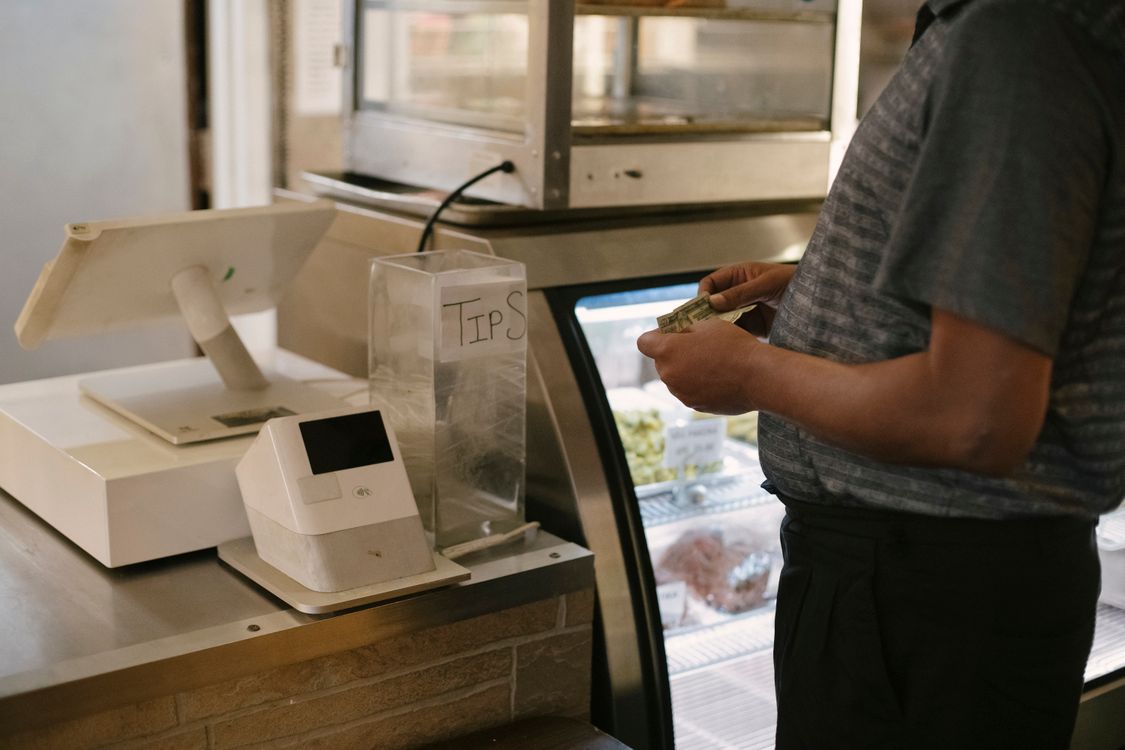
That 43 cents is not a guess. It includes bank fees, equipment and trips to the bank, plus the time staff spend taking payments at the till and doing the paperwork afterwards.
The real cost is the chasing, not the cash
When you buy bread with cash, you pay once and you are done. Monthly tuition is different. It is the same payment, from the same person, twelve times a year, and each of those twelve times is a chance for someone to forget.
That is where collecting by hand stops being cheap. The 43 cents covers handling the cash. It does not cover the reminder you send on the 8th, the second reminder on the 15th, the awkward word at the door on the 20th, or the month you just let go because chasing it would cause more bad feeling than the money is worth.
Waiting to be paid does not mean you are doing something wrong. More than half of companies in Europe had problems with late payments in 2024, and the average wait to be paid was over 60 days (EU Payment Observatory Annual Report 2025, 15 December 2025). Those are companies billing other companies, not parents paying for karate. But it shows that being owed money is a normal part of running any small business.
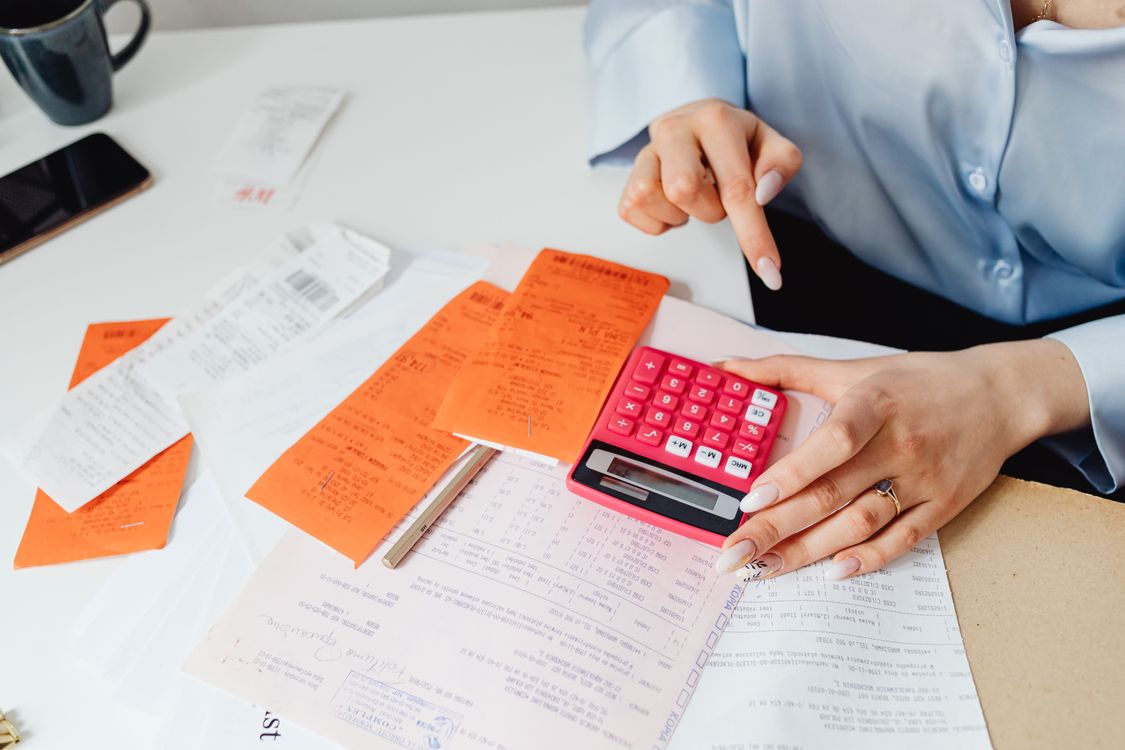
There is a second cost that is not about time at all: tuition that simply never arrives. A month nobody chased, a payment nobody noticed was missing. How much this costs depends on the school. An owner who is at every class and keeps careful records may lose very little. A busy owner working from memory can lose money every month without noticing. The full guide to payment collection covers how to find and close these gaps. Cash is cheap to handle and expensive to rely on, and those are two different things.
Verdict: collecting by hand is cheap per payment and expensive per month. The cost grows with how many times you have to ask, not with how much money comes in.
Where Your Students Actually Are: US vs Europe
The right answer depends on where you teach, because people in the US and Europe pay in very different ways.
In Europe, cash is still the normal way to pay in person. About half of in-person payments (52%) were made in cash in 2024. That share has been falling steadily, from 79% in 2016 to 72% in 2019 and 59% in 2022. Looking at the amount of money spent rather than the number of payments, cards covered more (45%) than cash (39%), which tells you people mostly use cash for smaller purchases (European Central Bank, December 2024).
The US looks very different. The Federal Reserve's 2026 study of how Americans pay found that about a third of payments were made by credit card (34%), another third by debit card (32%), and only 13% in cash, or six of an average 47 payments a month. Cash has not disappeared: 76% of people still carried some, $69 on average, and people in the countryside made nine cash payments a month, against six for people in towns and cities (Federal Reserve Financial Services, 2026).
These two numbers are not measured the same way. The European figure counts only in-person payments, while the US figure counts all payments, including bills and online shopping. Put side by side, they still tell you something useful. A European dojo asking for cash at the door is asking for something normal. A US dojo doing the same is asking students to use something they now use only about six times a month.
Verdict: automatic payment is more urgent in the US, where most of your students have already stopped using cash. European schools can keep collecting by hand for longer without annoying anyone. That is also why SEPA Direct Debit matters so much in Europe: it automates collection through the student's ordinary bank account, without asking anyone to change how they like to pay.
What Automation Actually Buys You
Automatic collection wins on one thing above all: nobody has to remember.
A card subscription, a SEPA Direct Debit and a US ACH bank debit all work the same way. The student agrees once, and from then on the money is taken on a set day, with no new decision each month. The student does not have to do anything. Neither do you.
That gives you three real benefits:
- You know when the money arrives. Tuition comes in on a set day instead of trickling in over three weeks, so you can plan rent and instructor pay around it instead of guessing.
- You find out when a payment fails. If an automatic payment does not go through, you get a message saying so, and usually why. When you collect by hand, a student who decided not to pay and a student who forgot look exactly the same, and both look like nothing at all.
- More students does not mean more work. Collecting by hand gets harder with every new student, because each one is another person you might have to remind. Automatic collection takes about the same effort at 30 students as at 10.

Verdict: automatic collection clearly wins on reliability and on your time, and those are the first two things to break as a school grows.
What the Automated Side Actually Costs
Automatic collection has two costs: a small fee on each payment, and a monthly software fee.
The fee on each payment goes to the payment company that moves the money. The Bundesbank study from earlier applies here too: international credit and debit cards cost businesses more than cash or Germany's own girocard, mainly because of higher fees. European schools collecting by SEPA Direct Debit skip card fees altogether, which is a big part of why it is the usual recommendation for a European dojo. These fees change often, so check your own provider's current prices rather than trusting a number in a blog post.
The monthly software fee is the fixed cost. For a school with 50 students, the advertised prices of dojo software ranged from EUR 24 to $199 a month in September 2026: EUR 24 for DojoMaster, $69 for Martialytics, $75 for Gymdesk, $95 for DojoTrack, $99 for Kicksite, $133 for Zen Planner, and $199 for both Wodify and Spark Membership. We checked each company's public price page ourselves in September 2026, so this is not an independent survey, and DojoMaster is one of the products on the list, so keep that in mind (our dojo software pricing comparison).
Why the software fee is the wrong number to focus on
Here is something I got wrong for years, and it is worth being blunt about, because the sums are not close.
Say you run a European school with 50 students paying EUR 45 a month. That is EUR 2,250 in tuition every month. If just 5% of it goes missing, a month nobody chased here, a payment nobody noticed there, you lose about EUR 110 a month. Software that would collect it automatically costs EUR 24.
The same sums work in the US at US prices. A 50-student school charging $120 a month takes in $6,000. Losing 5% of that is $300 a month, against software from $69. Both examples use round, made-up figures rather than measured ones, but the gap is clear in either currency.
Smaller schools can often pay nothing at all. DojoMaster's free plan covers up to 20 students and DojoTrack's covers up to 50, though DojoTrack's free plan is limited to 10 classes and 90 days of attendance history.
So if money is going missing, the software fee does not matter at any school size, and my advice is to switch now rather than at some future number of students. I am not going to pretend otherwise just to give you a neater rule.
That is exactly why the case for staying manual is not about cost, and I should not have made it sound that way. A small school that is genuinely not losing money, because the owner is at the door, knows all fifteen people by name and collects a term at a time, is not losing that EUR 110 a month. For that school, the honest reasons to stay manual are that the job is still small enough to keep in your head, that switching takes real effort, and that the monthly handover is personal contact you may not want to give up. Those reasons hold. "The software costs too much" does not.
The Hidden Cost of Automation Nobody Mentions
Automatic payment keeps going on its own, which also means it hides students who are drifting away. No dojo software company puts this in its comparison table, and it is the most useful thing in this article.
The clearest evidence comes from outside martial arts. The economist Jialan Wang studied automatic payments on a credit card run by an online lender. She found that a small push from the company towards automatic payment was behind half of all sign-ups, and that people who signed up when they opened the account tended to stay signed up (Jialan Wang, NBER Working Paper 32332, April 2024). Her conclusion is that small details in how a choice is set up can have a big effect on what people do.
Her study's best-known finding does not apply to you, and it is worth saying why. Wang also found that automatic payment made people much more likely to pay only the minimum on their credit card bill. That is about how much credit card debt people choose to pay off each month, a choice that does not exist with a fixed monthly tuition fee. So ignore that part here.
What does carry over is the simple fact underneath it: once a payment is automatic, people stop thinking about it. For your income, that is the whole point. For keeping your students, it is a blind spot.
When you collect by hand, a student who is drifting away tells you by not paying. It is a rough signal and it comes late, but it comes. With automatic payment, the money keeps going out of their account for months after they have stopped showing up, and the first you hear of it is a cancellation email from someone you thought was still training.
The answer is not to avoid automatic payment. It is to replace the warning sign you gave up. If payment no longer tells you who is losing interest, attendance has to, which is why automatic billing and automatic attendance tracking really belong together. Watch for the pattern described in the 90-day dropout window: the student who goes from three classes a week to one is the one you are about to lose, and a payment that went through will not tell you that.
Verdict: automate the payments, but do not let them be the only way you notice students drifting away. Otherwise you are swapping a poor warning system for no warning system at all.
When Manual Is Still the Right Answer
Collecting by hand is genuinely right for some schools, but the reason is that no money is going missing, not that software is expensive.
Size matters too. The Bundesbank study found that small shops pay more for each payment than big ones, and more as a share of what they take in, because big shops can negotiate better deals with payment companies and spread their fixed costs over more and bigger payments. The gap was widest for non-cash payments (Deutsche Bundesbank, 2025). That is about the cost of taking payments, not about software, and as the previous section showed, it is small next to money actually going missing.
Manual is probably still right if most of these are true:
- Nobody is behind on payments right now, and you would know if they were.
- You have fewer than about 20 active students.
- You are at the door yourself for most classes.
- Your school is a volunteer-run club rather than a business, with a treasurer who already keeps the books.
- You collect per term or per year rather than monthly, so you collect two or three times a year instead of twelve.
- Your students are mostly adults who pay without being reminded.
Verdict: collecting by hand is not a failure. A small school where all the money arrives can stay manual for good. A small school where it does not should switch now, not when it reaches 40 students.
How to Tell When You Have Crossed the Line
The signal is not how many students you have. It is how often you have to think about money that should already be in your account.
Count one thing, honestly, for one month: how many times you had to ask someone for money that was already due. Every reminder message, every word at the door, every mental note to catch a parent next week. If that reaches five in a month, it is time to switch, whether you have 18 students or 80.
Three other signs that tend to show up at the same time:
- You cannot say from memory who has paid this month.
- In the last year you have let at least one month go because chasing it felt worse than losing the money.
- You are thinking about spending money on admin, such as dojo management software, without knowing how much you actually collected in the last three months.
If two of those three sound familiar, the spreadsheet has stopped working, and you will probably recognise other signs your dojo has outgrown Excel too.

Common Mistakes When Switching
Most switches that go wrong do so for the same few reasons.
1. Moving everyone over at once with no overlap. Run the old way and the new way side by side for one full month. You are looking for students whose sign-up quietly never went through, and they only show up when you compare the two records.
2. Treating the first failed payment as a student refusing to pay. A failed payment in the first month is far more likely to be a setup mistake, an expired card or a block from the bank. Check your own records, and the reason the payment company gave, before you write to anyone.
3. Automating payments and nothing else. If tuition now arrives without you looking, but attendance still lives in your head, you have automated the half that was already working. Automate the record you actually need to look at.
4. Forgetting the one-off fees. Grading fees, seminars and kit do not fit into a monthly payment, and schools that automate tuition often go back to taking these in cash and losing track of them. Decide in advance how you will handle them.
5. Thinking automatic payment means you never have to talk about money again. It means the routine conversations disappear. The exceptions, the family going through a hard time, the student who wants to take a break, still need you.
From my own dojo: I ran a 40-student Aikido school on a Google Sheet and Stripe invoices I sent by hand before I built anything. What finally changed my mind was not the fees. It was realising that the sheet told me who had paid and nothing about who had stopped coming, and that I had been treating those as the same question for two years. Automating the billing fixed the first problem immediately and made the second one worse, until I started tracking attendance properly alongside it.
The Verdict, Category by Category
Collecting by hand wins on the narrow cost questions and loses on every question about reliability, which is the trade most growing schools should make. The one thing you give up is real: payments stop telling you who is drifting away, so put attendance tracking in its place before you need it, not after.
Frequently Asked Questions
Is automated payment collection actually cheaper than collecting cash?
No, not per payment. A study by Germany's central bank found that cash is the cheapest way for shops to take a payment, at about 43 cents on average, while international cards cost more, mainly because of higher fees (Deutsche Bundesbank, November 2025). Automatic payment saves money somewhere else: the time you spend chasing monthly payments, and the tuition that never arrives because nobody followed up. If your problem is fees, automatic payment will not fix it. If your problem is chasing the same people every month, it will.
At what number of students should a dojo automate tuition collection?
There is no research showing a right number of students for martial arts schools, and anyone who gives you one is guessing. A simple test works better: for one month, count how many times you had to ask someone for money that was already due, including reminder messages and conversations at the door. If that reaches five, you have outgrown collecting by hand, whatever the size of your school. The more urgent sign is money actually going missing: if you cannot say who has paid this month, switch now rather than waiting to reach a certain number of students.
Do European dojos still need to accept cash?
In practice, yes, though less than before. About half of in-person payments in Europe (52%) were made in cash in 2024, down from 79% in 2016 (European Central Bank, SPACE 2024). It is still the most common way to pay in person in Europe, so a European school that refuses cash completely will annoy some members. A common middle way is to collect tuition by SEPA Direct Debit and still take cash for one-off items such as grading fees and kit.
Can automatic payments make you lose students?
Not directly, but they remove a warning sign. A study of automatic payments on credit cards, not dojos, found that a small push from the company was behind half of all sign-ups, and that people who signed up tended to stay signed up (Jialan Wang, NBER Working Paper 32332, 2024). In other words, once a payment is automatic, people stop thinking about it. In a dojo, that means the payment keeps going through after a student has stopped coming, so you lose the warning that a missed payment used to give you. Attendance tracking has to take over that job.
What is the difference between automatic card payments and SEPA Direct Debit for a dojo?
Both take the money on a set day without the student doing anything each month, but they are set up differently and fail for different reasons. Card payments work everywhere and are the norm in the US. SEPA Direct Debit is the European system that takes money straight from the student's bank account: the student signs one permission form, called a mandate, and it stays valid until they cancel it. For a European school, SEPA means you never have to deal with expired cards, one of the more common reasons automatic payments fail. For a US school, card payments or ACH bank debits are the practical choice.
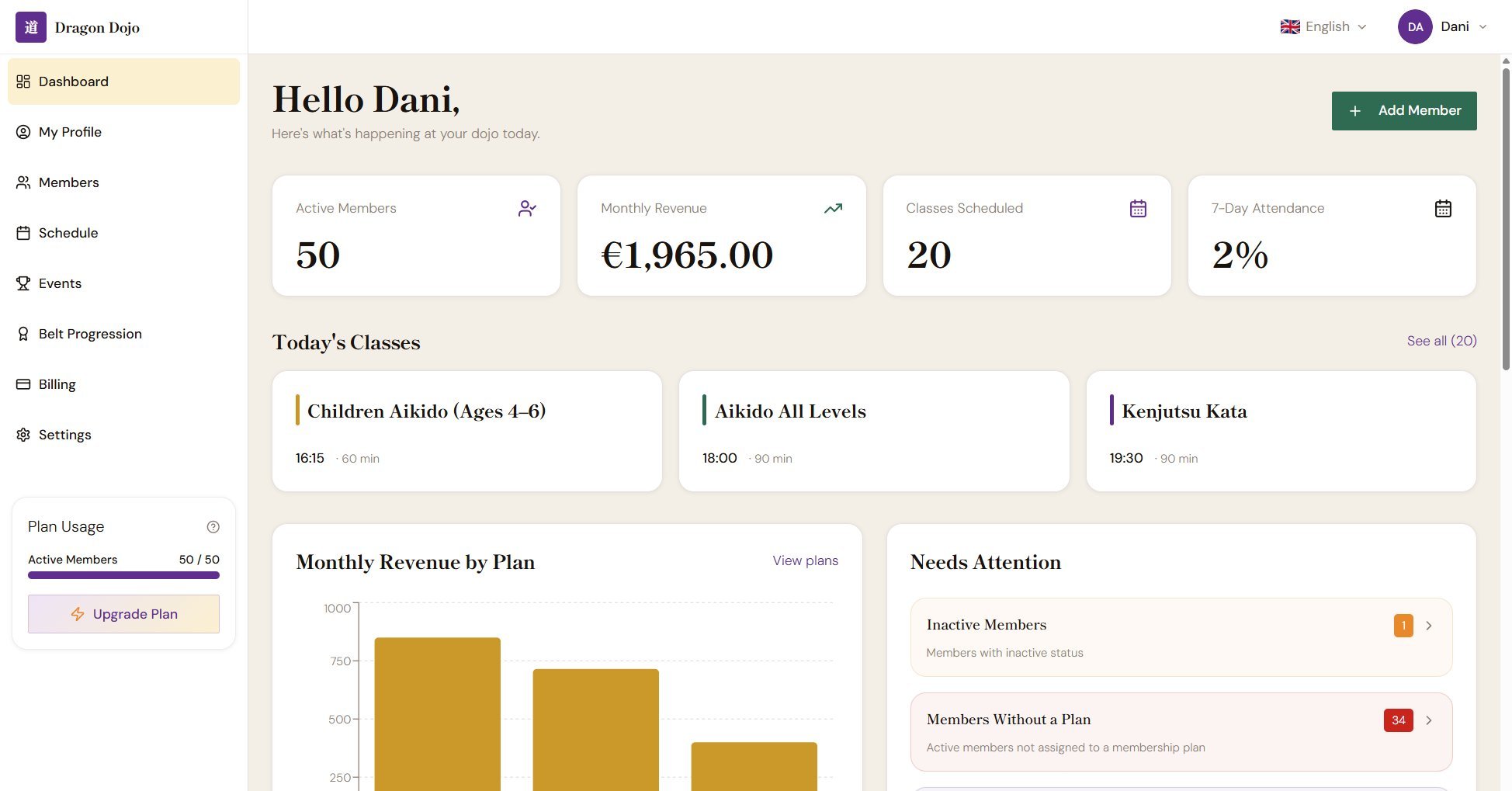
DojoMaster supports SEPA Direct Debit, and attendance tracking and belt progression are in the same product, so you can look at who has paid and who has been training side by side. Start free at dojomaster.app for up to 20 students, with paid plans from EUR 24 a month. If you are weighing that against what you already spend running your school, the breakdown of what it costs to run a martial arts school puts it in context.
Written by Daniil Pavliuchkov, 4th dan Aikido Aikikai and founder of DojoMaster.